
As the world spins faster than a hamster on a caffeine binge, economic trends are shifting like a cat on a hot tin roof. Understanding these future trends isn’t just for the crystal ball gazers; it’s crucial for anyone who wants to stay ahead of the curve. From the rise of digital currencies to the growing importance of sustainability, the economic landscape is evolving, and it’s time to buckle up for the ride.
Imagine a world where your morning coffee could be paid for with a swipe of your smartphone or where green energy is the norm, not the exception. These aren’t just pipe dreams; they’re the future knocking at our door. By keeping an eye on these trends, individuals and businesses can make informed decisions that could lead to success. So let’s dive into what’s on the horizon and discover how to navigate this exciting economic evolution.
Overview Of Future Economic Trends
Future economic trends reflect significant shifts in global markets and consumer behavior. The emergence of digital currencies, such as Bitcoin and Ethereum, transforms traditional financial systems and fosters new opportunities for investment. Experts project that by 2025, over 50% of transactions could involve some form of digital currency, marking a pivotal change in payment methods.
Sustainability increasingly influences economic perspectives. Companies prioritizing environmental impacts gain a competitive advantage. According to recent reports, 70% of consumers prefer brands committed to sustainability, altering product development and marketing strategies.
Technological advancements also shape future economic trends. Automation and artificial intelligence streamline operations, enhancing efficiency. Industries integrating these technologies often see productivity improvements exceeding 20%. Furthermore, remote work continues to redefine workplace dynamics, leading to a more significant focus on work-life balance.
Global trade dynamics are shifting as well. Emerging markets experience rapid growth, altering trade relationships. For instance, countries like India and Brazil are projected to account for more than 25% of global GDP by 2030, influencing supply chains and investment patterns.
In terms of demographic changes, an aging population presents challenges and opportunities. By 2040, the global workforce may consist of up to 25% of individuals aged 65 and older. This demographic shift necessitates adaptations in labor markets and healthcare services.
Healthcare innovations impact economic growth, too. Technologies like telemedicine gain traction, increasing access to services. Analysts predict that the telehealth market could reach $459 billion by 2030, indicating a significant pivot towards accessible healthcare solutions.
Recognizing these trends enhances preparedness for navigating the future economic landscape. Understanding the interconnectedness of technology, sustainability, and demographic changes presents strategic insights into potential opportunities and challenges.
Technological Advancements
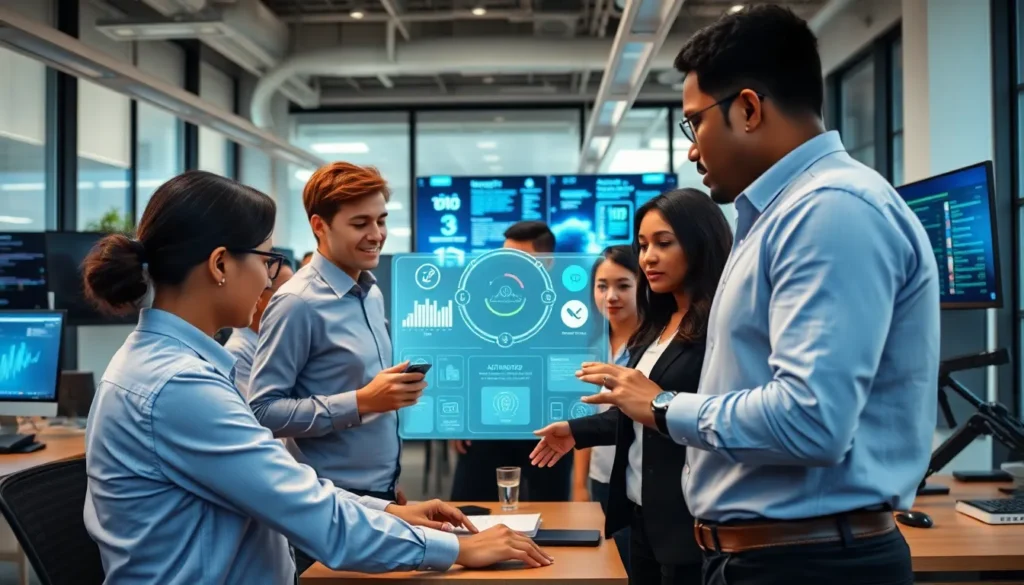
Technological advancements significantly influence future economic trends. Both automation and artificial intelligence play primary roles in transforming industries and employment landscapes.
Automation and Employment
Automation reshapes job markets by streamlining processes and enhancing productivity. Industries adopting automation experience productivity improvements exceeding 20%. Many routine tasks get delegated to machines, allowing human workers to focus on more complex functions. This shift leads to job displacement in some sectors, but it also creates opportunities in tech-oriented fields. Reskilling initiatives are essential as companies adapt to these changes and prepare the workforce for new roles that emerge.
Impact of AI on Economy
Artificial intelligence drives economic growth by optimizing operations and improving decision-making processes. AI technologies enhance data analysis, providing insights for better resource allocation and strategic planning. By 2025, digital currencies, including those backed by AI, could account for over 50% of transactions. Education sectors see a transformation as AI tools personalize learning experiences. Overall, investments in AI technologies demonstrate their potential to significantly boost efficiency and innovation across various economic sectors.
Sustainability and Green Economy
Sustainability influences economic strategies across industries. Green initiatives gain traction as consumers demand environmentally responsible practices. Businesses increasingly invest in sustainable solutions, aligning with shifting market expectations.
Renewable Energy Trends
Renewable energy investments show strong growth, aiming to meet the demand for lower carbon emissions. Solar energy capacity expanded by 20% in 2022, reflecting a global shift towards clean power sources. Wind energy is also gaining momentum, contributing significantly to the energy mix. By 2025, forecasts indicate that over 30% of energy used worldwide could come from renewables. Innovations in storage technologies boost energy reliability, further encouraging adoption. Governments and corporations pursue ambitious targets, indicating a collective commitment to sustainable energy.
Circular Economy Principles
Circular economy principles reshape how products are designed and produced. Companies increasingly adopt these practices, prioritizing sustainability throughout the product lifecycle. According to the Ellen MacArthur Foundation, moving to a circular economy could generate $4.5 trillion in economic benefits by 2030. Reduction of waste and reuse of materials play key roles in this transformation. Businesses implement strategies that involve recycling, refurbishing, and sharing to extend product life. As consumers embrace these principles, brands that prioritize circular models often see increased loyalty and engagement.
Globalization and Trade
Global trade dynamics are undergoing significant transformations. Economic integration continues to expand, leading to a complex interdependence among nations. Increased digitalization facilitates international trade, enabling businesses to reach global markets. This digital shift allows for real-time communications and streamlined logistics.
Changes in International Markets
International markets are adjusting in response to changing consumer preferences and geopolitical shifts. Tariffs and trade agreements impact market accessibility. Over 40% of global businesses are now focusing on diversifying supply chains to mitigate risks from political instability. Fluctuating currencies also play a crucial role in pricing strategies, prompting companies to adapt pricing structures for international sales. Sustainability considerations drive reforms in international regulations, impacting product standards.
Emerging Economies
Emerging economies like India and Brazil are becoming vital contributors to global GDP. By 2030, they are projected to account for more than 25% of global economic output. With youthful populations, these nations present vast labor markets ideal for innovation and technology adoption. Investment in infrastructure and energy is surging, enhancing competitiveness. Additionally, local startups are often at the forefront of digital transformation within these markets, spurring further economic growth.
Consumer Behavior Shifts
Consumer behavior is rapidly evolving, influenced by various economic trends. Understanding these shifts enhances strategic approaches for businesses.
E-commerce Growth
E-commerce continues to expand significantly. By 2025, experts project that digital currencies may facilitate over 50% of online transactions. Over 70% of consumers now expect seamless omnichannel experiences, prompting businesses to enhance their digital platforms. Mobile shopping has gained traction, with more than 50% of consumers using smartphones to make purchases. Shoppers increasingly value convenience, thus prioritizing speed and efficiency in payment processes. As a result, businesses invest heavily in user-friendly interfaces to improve customer satisfaction and loyalty.
Changing Demographics
Demographic shifts present unique challenges and opportunities for the economy. By 2040, up to 25% of the global workforce could consist of individuals aged 65 and older. Younger generations increasingly prioritize sustainability and social responsibility in purchasing decisions. Additionally, emerging markets, like India and Brazil, are expected to contribute over 25% of global GDP by 2030. Youthful populations drive consumption patterns alongside rising incomes, leading to increased demand for innovative products and services. Companies need to adapt marketing strategies to resonate with diverse age groups, ensuring brand relevance in a changing landscape.
The future economic landscape is set to be shaped by transformative trends that demand attention and adaptability. As digital currencies gain traction and sustainability becomes a priority for consumers, businesses must evolve to meet these expectations.
Technological advancements will continue to redefine industries, enhancing efficiency while also challenging the workforce. Embracing automation and AI will be crucial for companies aiming to thrive in this new environment.
Moreover, demographic shifts and changing consumer behaviors will influence market dynamics, necessitating innovative approaches to product development and marketing. Staying informed and agile will empower individuals and businesses to navigate these changes successfully and seize emerging opportunities.