
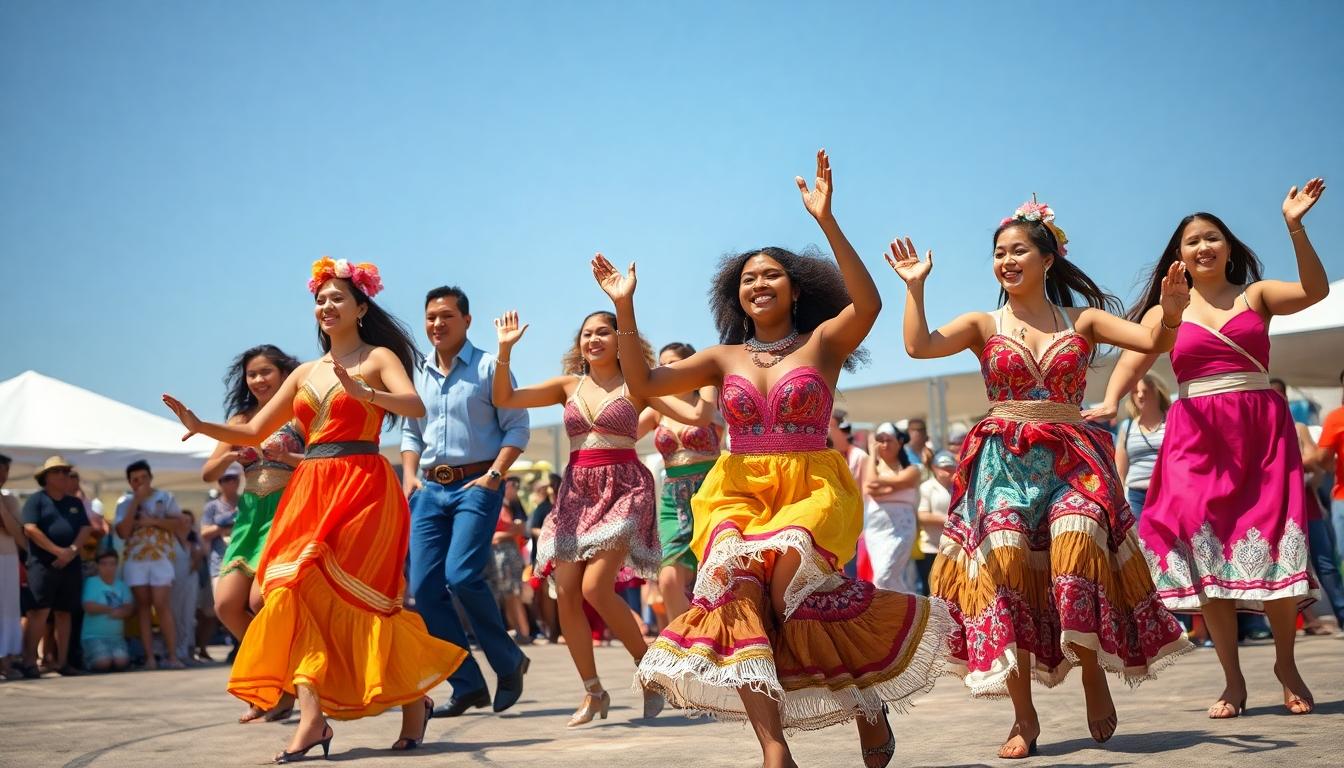
Cultural dance isn’t just about shaking a leg; it’s a vibrant expression of identity, history, and community. From the spirited samba of Brazil to the intricate movements of Indian classical dance, each style tells a story that transcends time and borders. These dances invite everyone to join in, whether you’re a seasoned performer or someone who thinks two left feet are a dance style.
What Is Cultural Dance?
Cultural dance serves as a vital form of artistic expression, reflecting a community’s identity, history, and values. Each dance style carries distinct meanings and stories, enabling dancers to share their heritage with others. Brazilian samba, for instance, showcases vibrant rhythms and festive movements, representing the joy and spirit of Brazilian culture. Indian classical dance, on the other hand, incorporates intricate footwork and expressive gestures that convey ancient tales and spiritual teachings.
Participants engage with cultural dance as a means of preserving traditions and fostering connections between generations. Many communities celebrate their heritage through dance at festivals and gatherings, creating an opportunity for collective participation. Performances often educate audiences about cultural narratives, enhancing appreciation for diverse heritages.
Dancers who practice cultural styles highlight the importance of learning and passing down these art forms. Cultural dance not only strengthens community bonds but also promotes cultural awareness among those outside the tradition. When individuals participate, they’re often met with a sense of belonging and pride in their roots.
Engaging with cultural dance expands one’s understanding of its significance across different societies. From Africa to Asia, every region showcases unique styles that share the common goal of storytelling and connection. By exploring various forms of dance, enthusiasts gain insight into the values and experiences of specific cultures.
Overall, cultural dance embodies more than movement; it encapsulates the essence of a community’s spirit and legacy. Each step performed is a reminder of shared history, making it an indispensable part of human expression.
Importance Of Cultural Dance
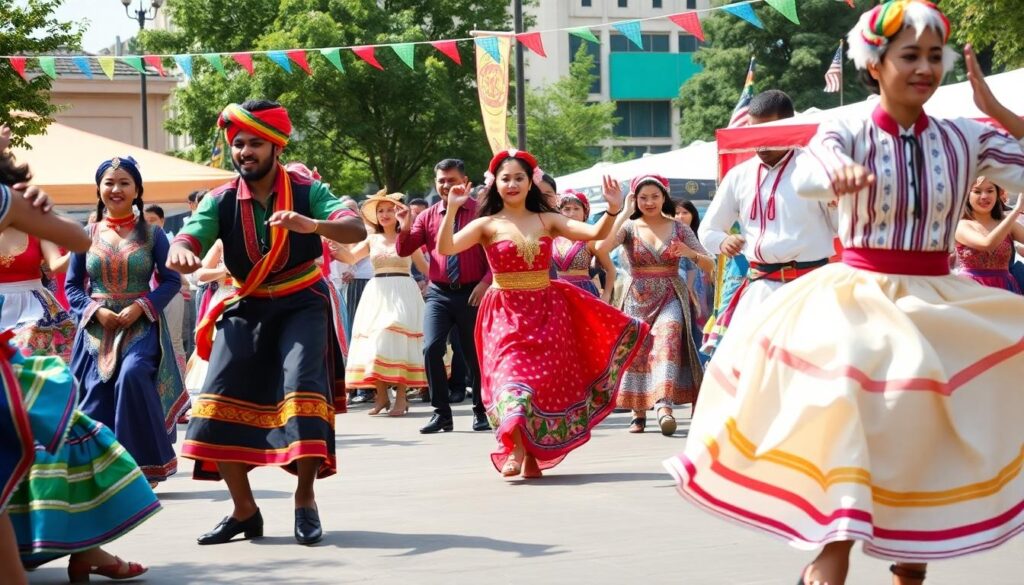
Cultural dance plays a crucial role in reflecting identity and preserving traditions. Through dance, communities share their unique stories, fostering a deep connection to heritage.
Preservation Of Heritage
Cultural dance serves as a vital mechanism for preserving heritage. It maintains traditions that might otherwise fade away. Dancers honor ancestral practices, keeping significant rituals alive through movement. Each dance style encapsulates historical narratives, allowing future generations to learn about their backgrounds. Art forms thrive in performances, promoting an understanding of cultural lineage. Festivals often provide a platform for these expressions, showcasing the richness of various traditions. Engaging in cultural dance strengthens the collective identity and pride of communities, ensuring that heritage remains vibrant and celebrated.
Community Engagement
Cultural dance acts as a catalyst for community engagement. Participants of all skill levels come together, creating a vibrant atmosphere of collaboration. Shared experiences during performances build social bonds, promoting unity among diverse groups. Classes and workshops offer opportunities for individuals to connect while learning the art of dance. This engagement encourages inclusivity, inviting newcomers to appreciate different cultural perspectives. As communities gather for celebrations, dance fosters a sense of belonging and joy. Active participation in cultural dance supports social cohesion and revitalizes communal spirit, enriching societal dynamics.
Types Of Cultural Dance
Cultural dance encompasses diverse styles that reflect unique traditions and histories. Each category highlights distinct elements that resonate with cultural identity.
Traditional Folk Dances
Traditional folk dances create strong community ties and celebrate local customs. They often feature group participation, with dancers expressing regional stories through movements and music. Examples include the Irish jig, which showcases lively footwork, and the Mexican jarabe tapatío, known for its vibrant costumes and energetic steps. Folk dances serve as a living history, enabling communities to honor their ancestors and keep traditions alive. Participants engage in these festivities during local celebrations and festivals, fostering togetherness among generations.
Classical Dances
Classical dances represent the refined art forms that convey deep cultural meanings. These styles, such as ballet and Kathak, embody sophisticated techniques and rich storytelling. Ballet relies on precise movements and fluid lines, often showcasing themes of love and tragedy. Kathak, originating from India, features intricate footwork and expressive hand gestures that narrate ancient tales. Performances typically occur in theaters and cultural events, allowing artists to convey spiritual and historical narratives. Classical dance forms highlight the dedication and discipline of their practitioners, enriching the cultural landscape.
The Impact Of Cultural Dance
Cultural dance significantly influences society and the economy. Its effects transcend entertainment, impacting various facets of life.
Social Benefits
Cultural dance fosters social cohesion and strengthens community bonds. Communities gather through shared movement, creating a sense of belonging. Participants engage in collective experiences that promote understanding and appreciation of diverse cultures. Events like festivals and performances showcase talent, inviting spectators to connect with rich traditions. Dance also serves as an educational tool, imparting values and history to younger generations. Engaging in dance builds friendships, encourages teamwork, and enhances social skills, making it vital for personal development.
Economic Influence
Economic contributions from cultural dance extend beyond performance venues. Dance festivals attract tourists, boosting local economies and creating jobs in hospitality and arts. Cultural events stimulate spending on food, lodging, and transportation, generating revenue for communities. They also encourage investment in arts education, enriching the local artistic landscape. As cultural dance gains popularity, local artisans can market traditional costumes and crafts, further supporting economic growth. Partnerships with businesses enhance visibility and accessibility, solidifying cultural dance as an economic driver while preserving cultural heritage.
Cultural dance stands as a vibrant testament to the richness of human expression. It’s a living archive of history and identity that transcends generations. Through movement, communities share their stories and celebrate their unique heritages.
Participation in cultural dance not only strengthens community bonds but also enhances cultural awareness. Whether through traditional folk dances or classical forms, each step taken fosters inclusivity and connection.
As cultural dance continues to thrive, it plays a pivotal role in both social cohesion and economic vitality. Embracing these art forms ensures that the spirit of diverse cultures remains alive and accessible for all.