
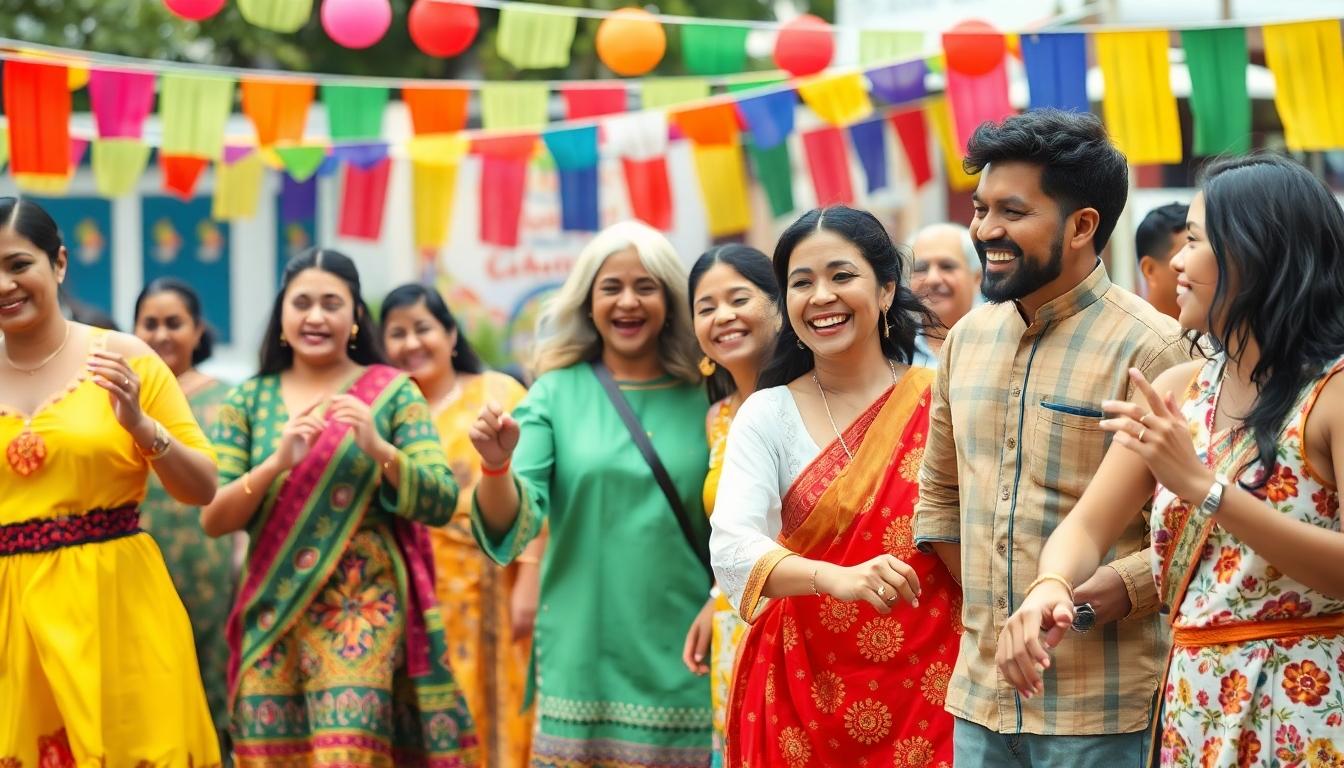
In a world buzzing with trends and constant change, cultural wellness might just be the secret ingredient to a balanced life. It’s like that elusive spice in grandma’s famous recipe—often overlooked but essential for flavor. When individuals embrace their cultural roots and celebrate diversity, they create a vibrant tapestry of experiences that enrich their lives and communities.
Understanding Cultural Wellness
Cultural wellness represents an essential component of holistic health, integrating cultural identity and community engagement into personal well-being. It embodies the recognition and appreciation of one’s cultural heritage.
Definition of Cultural Wellness
Cultural wellness involves the active engagement with one’s cultural backgrounds, traditions, and practices. This concept promotes a sense of belonging while fostering awareness of diverse cultures. Individuals can achieve cultural wellness by exploring their cultural identities and embracing multicultural experiences. Celebrating traditions, participating in community events, and learning about various customs enhance personal fulfillment. In essence, cultural wellness nurtures a harmonious relationship between individual identities and the wider cultural landscape.
Importance of Cultural Wellness
Cultural wellness plays a vital role in maintaining overall health, significantly impacting mental and emotional well-being. Engaging with diverse cultures can lead to enriched perspectives and broadened horizons. Enhanced community ties emerge through cultural participation, fostering social support systems. Individuals who embrace cultural wellness report increased self-acceptance and resilience against societal pressures. Cultural appreciation also promotes empathy, reducing biases and enhancing social harmony. Prioritizing cultural wellness cultivates a supportive atmosphere, ultimately leading to stronger and more inclusive communities.
Elements of Cultural Wellness
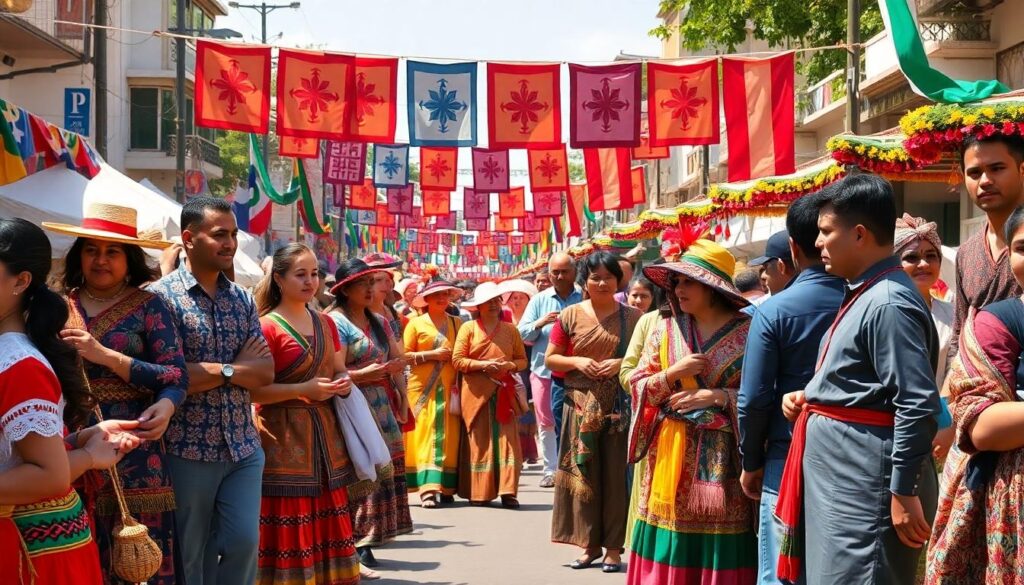
Cultural wellness encompasses various elements that contribute to an individual’s overall well-being. Understanding these aspects promotes a deeper connection to one’s identity and community.
Identity and Heritage
Identity ties closely to cultural wellness. Embracing heritage helps individuals connect with their roots. Personal narratives and traditions impart a sense of belonging. Recognizing cultural backgrounds can foster resilience and self-acceptance. Celebrating heritage encourages pride and strengthens individual connections to larger cultural narratives. Integrating these elements leads to a richer life experience and supports emotional well-being.
Community Engagement
Active community engagement plays a pivotal role in cultural wellness. Participating in local events cultivates connections with others who share similar interests. Forming relationships within the community provides social support and fosters a sense of belonging. Individuals who engage with their communities often experience improved mental health. This collaboration encourages the exchange of ideas and diverse perspectives that enrich understanding. Stronger community bonds make collective cultural experiences more rewarding.
Cultural Awareness and Education
Cultural awareness enhances overall wellness through understanding and acceptance. Education about different cultures fosters empathy and reduces biases. Exposure to diverse traditions, values, and practices allows individuals to broaden their perspectives. Workshops, classes, and cultural exchanges provide invaluable learning opportunities. Gaining insights into others’ experiences encourages respect and appreciation for diversity. Promoting cultural education in various settings strengthens community cohesion and nurtures inclusivity.
Benefits of Cultural Wellness
Cultural wellness offers numerous advantages that enrich individual lives and strengthen communities. These benefits span mental health, social connections, and personal fulfillment.
Mental Health Benefits
Cultural wellness contributes positively to mental health. Engagement with cultural practices fosters resilience and self-acceptance. Active participation in cultural traditions often improves emotional well-being. People can experience reduced anxiety and depression through these connections. Individuals who embrace their cultural identity frequently report higher levels of happiness. Support from community ties enhances coping mechanisms during stressful times. Promoting cultural appreciation leads to greater empathy, which diminishes biases. These factors create an environment conducive to mental well-being.
Social Connectedness
Social connections thrive through cultural wellness. Community events rooted in cultural practices bring individuals together. Participation in these gatherings fosters a sense of belonging and unity. Relationships formed in these environments help build strong support networks. Individuals experience enhanced social interactions by sharing cultural experiences. Together, these connections can offset feelings of isolation and loneliness. Cultural engagement encourages collaboration among diverse groups, enriching the social fabric. Ultimately, strong community ties enhance overall quality of life and well-being.
Personal Fulfillment
Cultural wellness plays a vital role in personal fulfillment. Exploring cultural identities encourages self-discovery and growth. Individuals often find meaning and purpose in their cultural heritage. Engaging with traditions cultivates pride and strengthens personal identity. Experiences related to cultural events can lead to lasting memories and joy. Participating in cultural activities nurtures creativity and self-expression. Increased awareness of diverse perspectives enhances one’s worldview, contributing to personal growth. Cultural wellness, therefore, supports a journey toward a more fulfilling life.
Strategies for Enhancing Cultural Wellness
Cultural wellness thrives on active engagement and meaningful connections. Implementing effective strategies significantly enhances one’s cultural experience.
Participating in Cultural Activities
Engaging in cultural activities allows individuals to explore their heritage. Events like traditional festivals, art exhibits, and workshops provide opportunities for connection. Participants often find joy in sharing experiences with others while learning about diverse practices. Each cultural event fosters an appreciation for history and traditions, creating a sense of belonging. Enjoyment and enrichment are common outcomes, leading to greater personal fulfillment.
Building Cross-Cultural Relationships
Establishing relationships across cultures strengthens community ties. Interactions with individuals from different backgrounds foster empathy and understanding. Engaging in dialogues helps challenge stereotypes and biases, enriching perspectives. Collaborating on community projects encourages teamwork and shared goals. Each relationship built contributes to a more inclusive cultural environment, where everyone can feel valued.
Support from Cultural Organizations
Seeking support from cultural organizations enhances cultural wellness. These organizations often provide resources, programming, and community connections. Participation in cultural programs can boost mental health and well-being. Many cultural institutions host workshops, presentations, and events tailored to diverse audiences. Accessing such resources promotes cultural awareness, encouraging individuals to deepen their knowledge and appreciation for various communities.
Cultural wellness serves as a vital pillar of holistic health and personal fulfillment. By embracing cultural identities and engaging with diverse communities individuals not only enhance their well-being but also contribute to a more inclusive society. The journey toward cultural wellness fosters resilience empathy and social connections that enrich lives.
As individuals explore their heritage and participate in cultural practices they cultivate a deeper understanding of themselves and others. This commitment to cultural appreciation nurtures a sense of belonging that can combat isolation and promote mental health. Ultimately prioritizing cultural wellness is a powerful step toward creating stronger communities and a more harmonious world.