
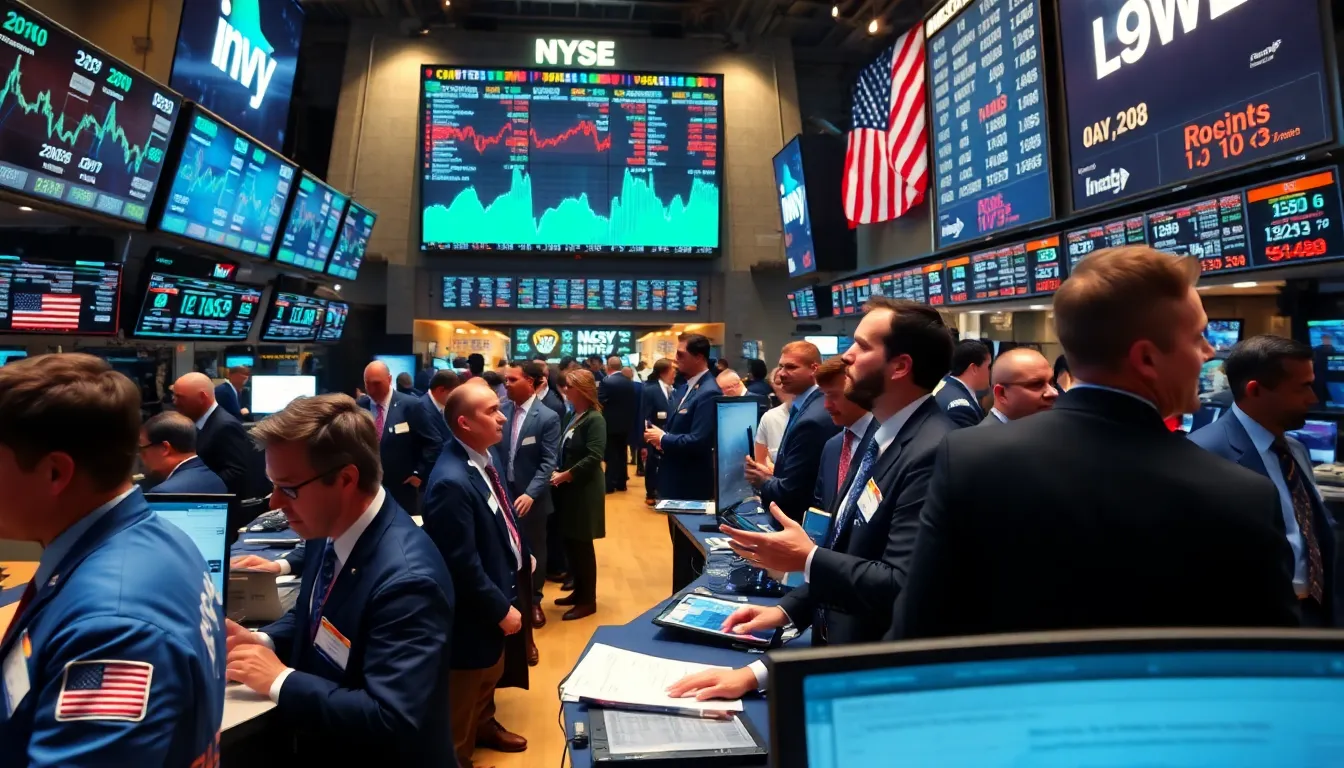
In a world where coffee prices can send shockwaves through economies and stock markets can feel like a rollercoaster ride, understanding global markets is no longer just for Wall Street wizards. It’s for anyone who’s ever wondered why their favorite avocado toast suddenly costs an arm and a leg. Global markets are the intricate web connecting economies, cultures, and, yes, even your brunch choices.
As nations trade goods and services, they create a dynamic landscape that impacts everything from your savings account to international relations. Whether you’re an investor looking to ride the next wave of opportunity or a curious consumer trying to make sense of the chaos, grasping the pulse of global markets is essential. Buckle up because navigating this financial jungle can be thrilling—and maybe even a little hilarious.
Overview of Global Markets
Global markets represent interconnected financial systems that span countries and regions. They encompass various assets like commodities, currencies, and securities. Understanding these markets reveals how supply and demand dynamics influence prices and availability. Price fluctuations in key commodities, such as coffee or avocados, demonstrate the direct impact on consumer spending and economic health.
Traders engage in these markets to capitalize on price movements. Futures contracts allow speculators to predict and hedge against price changes in commodities. Central banks also play a significant role, adjusting interest rates to stabilize or stimulate their economies.
Emerging markets offer investment opportunities as they often experience rapid growth. Countries like Brazil, India, and Nigeria attract investors seeking higher returns. Additionally, developed markets, including the US and Europe, provide stability but may offer lower growth potential.
Technological advancements have transformed global markets, enhancing trading efficiency. Algorithms and real-time data facilitate quicker decision-making for investors. These advancements contribute to market volatility but also provide opportunities for informed traders.
Understanding global economic indicators is crucial for navigating market trends. Indicators like GDP, unemployment rates, and inflation influence investor sentiment and market performance. Investors rely on this data to assess risk and make informed decisions about asset allocations.
Engagement in global markets affects various stakeholders, from individual investors to multinational corporations. Insight into these markets enhances an understanding of their role in everyday life, emphasizing the necessity of being informed about global developments.
Key Players in Global Markets

Key players in global markets include government agencies and private sector companies. These entities shape market dynamics and influence economic stability.
Government Agencies
Government agencies oversee regulations and policies that impact global markets. Entities like the Federal Reserve and European Central Bank influence monetary policy through interest rate adjustments. These decisions affect inflation and currency stability worldwide. Moreover, regulatory bodies ensure fair trading practices by companies across various markets. National agencies collect and analyze economic data, providing vital insights into market health. Their reports often guide investor sentiment. Additionally, trade organizations foster international cooperation, reducing barriers to trade, thus promoting economic growth.
Private Sector Companies
Private sector companies drive innovation and competition in global markets. Multinational corporations such as Apple and Toyota leverage their scale to influence supply chains and pricing strategies. These firms often dominate market share in their respective industries, leading to significant economic impacts. Smaller enterprises contribute to local markets, enhancing competition and fostering diversification. Furthermore, tech companies facilitate the evolution of trading platforms, making markets more accessible. Their advancements streamline transactions, resulting in faster and more efficient trading environments. Additionally, private firms adapt to consumer demands, reflecting changing preferences and economic conditions.
Trends Influencing Global Markets
Global markets continuously evolve due to various trends, significantly impacting investors and consumers alike. Understanding these trends fosters informed decision-making.
Technological Advancements
Emerging technologies enhance trading speed and efficiency. Automation tools allow traders to execute orders in milliseconds. Algorithms now analyze vast amounts of data, guiding purchase or sale decisions based on market patterns. Digital platforms have made trading accessible to retail investors, expanding market participation. Blockchain technology offers transparency in transactions, reducing fraud risk. Increased connectivity through mobile applications facilitates real-time market analysis, enabling swift response to trends.
Economic Policies
Economic policies from governments and central banks shape market landscapes. Interest rate adjustments directly influence investing costs and consumer spending. Quantitative easing can stimulate economic growth by increasing money supply, affecting asset prices. Fiscal policies, such as tax reforms and government spending, further impact market activities. Currency valuation shifts through policy changes alter international trade dynamics. Overall, a nation’s economic stability is crucial for investor confidence and influences foreign direct investment trends.
Challenges Facing Global Markets
Global markets encounter various challenges that can disrupt economic stability and growth. Awareness of these obstacles is crucial for investors and stakeholders.
Trade Conflicts
Trade conflicts represent significant threats to global markets. Increased tariffs on imported goods elevate prices for consumers and businesses alike, which can lead to decreased trade volume. Countries often impose retaliatory tariffs, creating an environment of uncertainty and impacting supply chains. For example, the US-China trade war affected sectors such as agriculture and technology, causing market fluctuations. Analysts emphasize the need for diplomatic resolutions to mitigate these effects and restore investor confidence.
Regulatory Issues
Regulatory issues also pose challenges to global markets. Governments impose varying regulations, which can complicate international trade and investment. For instance, inconsistent laws regarding data protection and environmental standards can create hurdles for multinational corporations. Compliance costs rise as firms navigate these differences, potentially hindering growth. Market participants advocate for harmonized regulations to enhance transparency and foster a smoother trading environment. Addressing these concerns is vital for encouraging stability and attracting foreign investment.
Future Outlook for Global Markets
Global markets continuously evolve, reflecting shifting economic conditions and consumer preferences. Emerging markets, like Brazil and India, show promising growth rates, suggesting valuable investment opportunities. Developed markets, including the US and Europe, provide stability but often exhibit slower growth potential.
Technological innovations drive market changes, making trading faster and more efficient. Automation tools enable rapid order execution, while algorithms parse extensive data sets to inform trading decisions. Retail investors now access digital platforms, democratizing trading and expanding market participation.
Economic policies significantly influence market dynamics. Interest rate modifications by central banks directly impact investing costs and consumer spending. Government regulations also shape investment landscapes, impacting how multinational corporations navigate international trade.
Trade conflicts, particularly the US-China trade war, pose challenges for global markets. Supply chains often face disruption, creating uncertainty that can lead to decreased trade volumes. Regulatory issues further complicate interactions between countries, raising compliance costs and affecting business operations.
Understanding global economic indicators remains essential for navigating market trends. Awareness of GDP, inflation, and employment rates informs how investors adjust strategies. Moreover, sentiment tracking among key players can predict market movements, giving investors an edge.
Overall, a forward-looking perspective on global markets necessitates an understanding of the interconnected factors driving change. Adapting to these variables ensures stakeholders remain competitive and well-informed in an ever-changing financial landscape.
Global markets are intricate systems that shape economies and individual lives. Their interconnected nature means fluctuations can have far-reaching effects. As emerging markets rise and technological advancements transform trading, staying informed is crucial.
Investors and consumers alike must understand these dynamics to navigate the complexities of global finance. Awareness of economic indicators and market trends empowers stakeholders to make informed decisions. By embracing the challenges and opportunities presented by global markets, individuals can position themselves for success in an ever-evolving financial landscape.