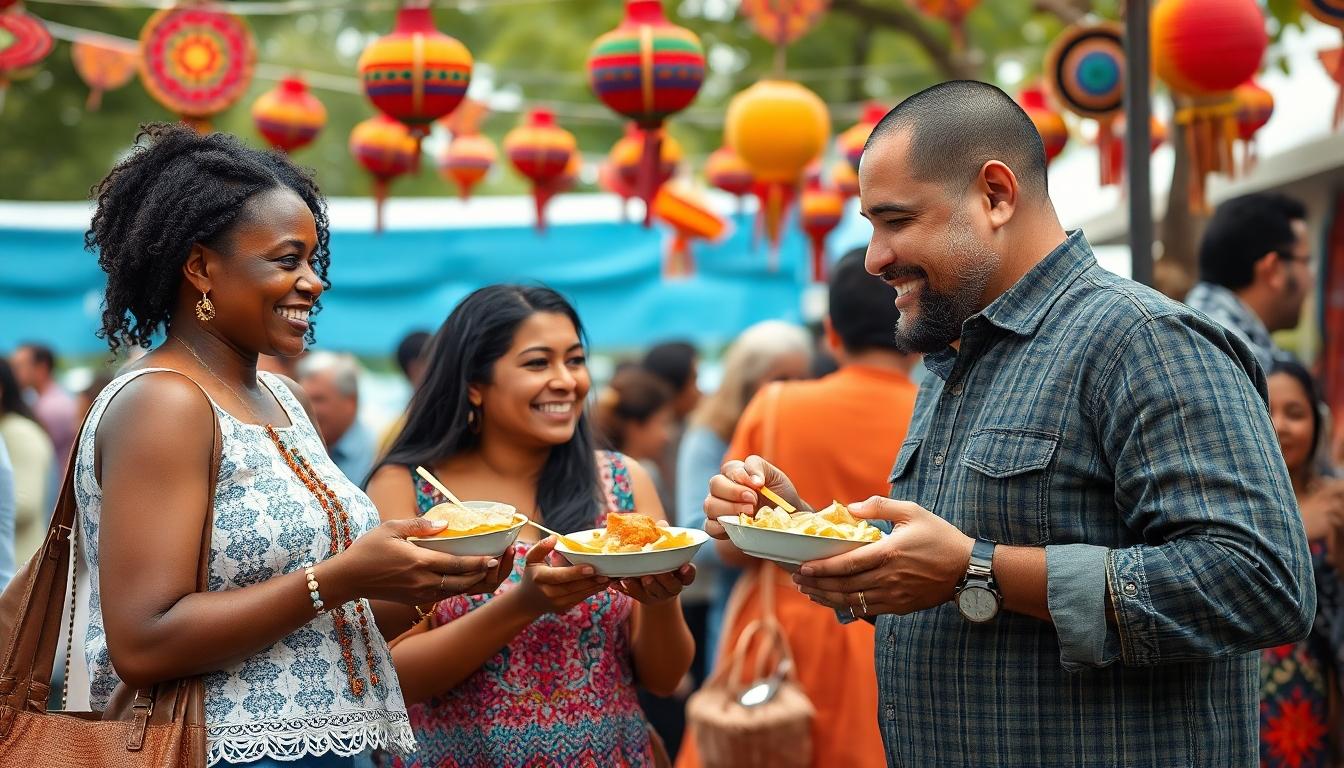
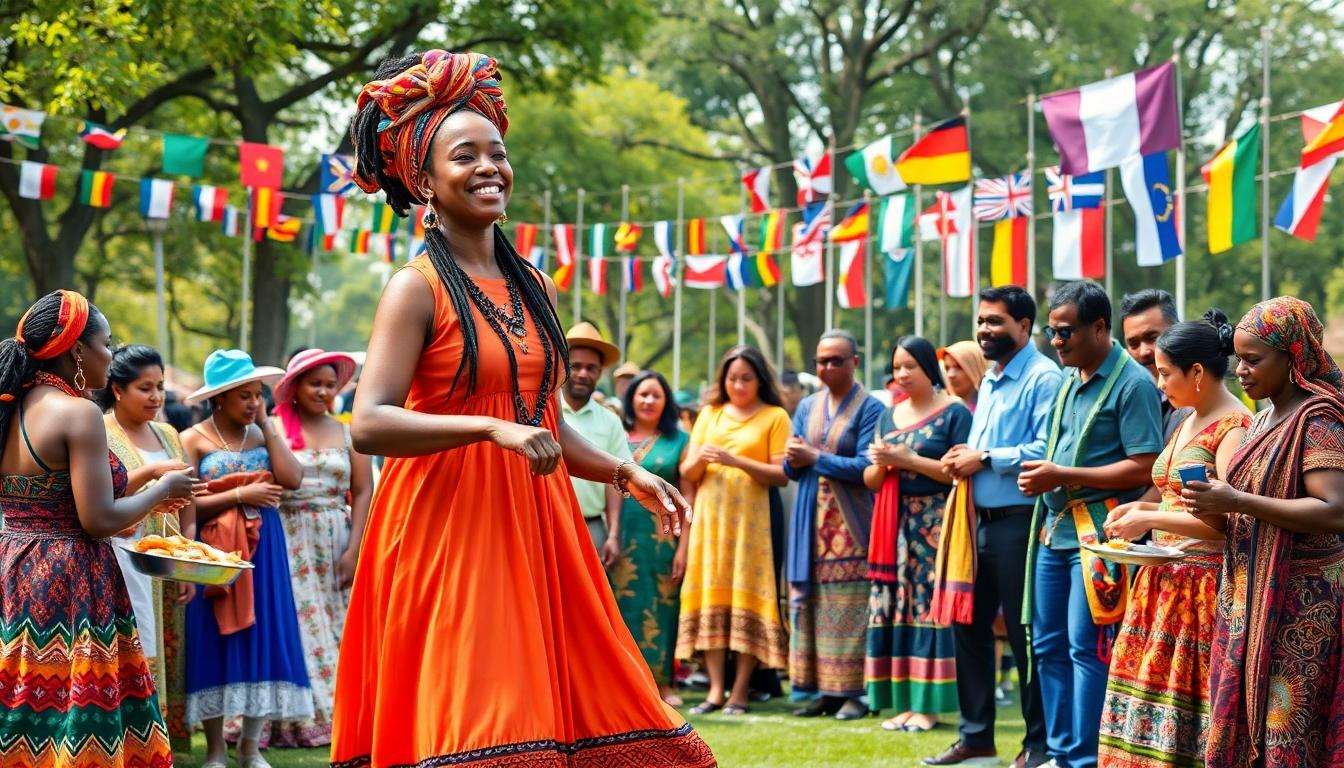
In a world bursting with flavors, colors, and traditions, the Day of Respect for Cultural Diversity serves as a delightful reminder that variety isn’t just the spice of life—it’s the whole buffet! This special day encourages everyone to embrace the rich tapestry of cultures that make up our global community. From the vibrant festivals to the mouthwatering cuisines, there’s so much to celebrate.
Overview Of The Day Of Respect For Cultural Diversity
The Day of Respect for Cultural Diversity celebrates the unique contributions of various cultures to society. Observed annually on April 15, this day encourages individuals to recognize and appreciate the richness that diversity brings. Events and activities often include educational workshops, cultural exhibitions, and community festivals showcasing music, dance, and art from different backgrounds.
Understanding cultural diversity fosters an environment of inclusion and cooperation. Many organizations participate in promoting awareness through discussions and performances that highlight traditional customs and practices. Festivals play a crucial role, allowing people to experience new flavors and traditions firsthand.
Cuisines serve as a significant aspect of cultural expression. Food from various regions offers a taste of history and heritage, inviting exploration and connection among diverse communities. Many food festivals emphasize this linkage, serving dishes from around the world and encouraging people to share their culinary experiences.
Through this day, the importance of respect and understanding among different cultures emerges. It provides an opportunity for individuals to engage in dialogue, challenge stereotypes, and build relationships across cultural lines. Various educational resources, including articles and multimedia content, support the observance, informing people about the value of tolerance and acceptance.
Each year, participation grows, illustrating a commitment to diversity. Schools, local governments, and cultural institutions often collaborate to expand the reach and impact of this day. Observing the Day of Respect for Cultural Diversity reinforces the idea that unity within diversity creates a stronger, more vibrant society.
Significance Of The Day
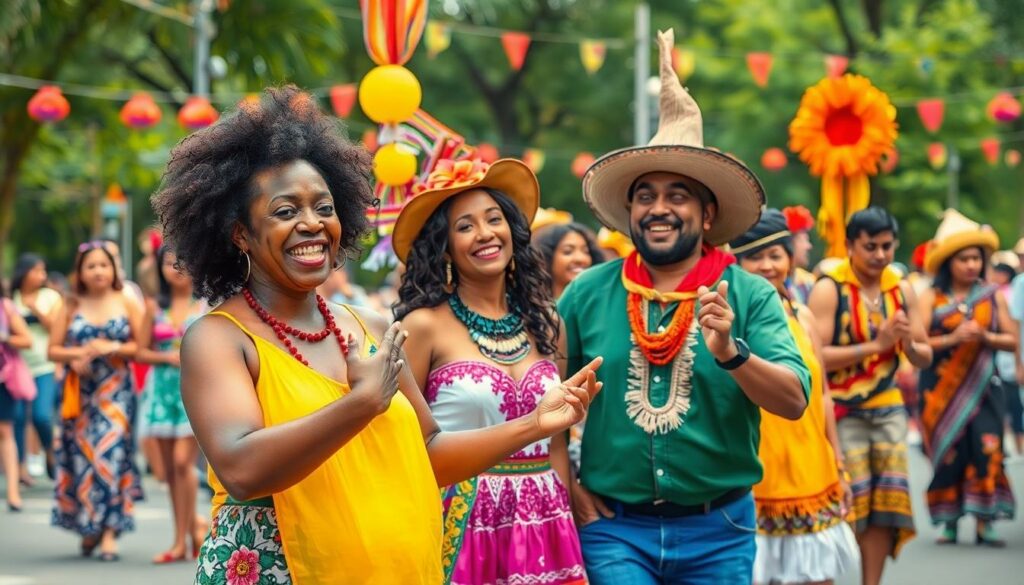
The Day of Respect for Cultural Diversity holds immense value in fostering unity within society. Events and festivities serve to highlight this importance.
Promoting Inclusivity
Promoting inclusivity remains central to the Day of Respect for Cultural Diversity. Individuals learn about different cultures through various workshops and educational programs. Shared experiences create an atmosphere of understanding and acceptance. Embracing diverse perspectives equips communities to tackle challenges collaboratively. Schools, local governments, and cultural institutions play essential roles in this mission, hosting activities to celebrate all cultural backgrounds. Engagement in these events fosters relationships, breaking down barriers that separate people. The cumulative effect leads to stronger, more interconnected communities.
Celebrating Differences
Celebrating differences provides an opportunity to appreciate the richness of various cultural expressions. Unique traditions, languages, and art forms come together on this special day. Festivals showcase the vibrancy of global cuisines, music, and dance, appealing to people from all walks of life. Each cultural exhibition invites individuals to immerse themselves in unfamiliar ways of life, promoting curiosity and learning. Dance performances and artistic displays highlight the creativity and talent within diverse communities. Communities thrive on the blending of these unique characteristics, bringing joy and enriching daily life. This celebration reinforces the belief that diverse cultures enhance the human experience.
Activities And Events
Celebrating the Day of Respect for Cultural Diversity involves a variety of engaging activities and events. These gatherings not only highlight cultural distinctions but also promote unity and understanding among communities.
Community Engagement
Community engagement plays a vital role in fostering connections among diverse groups. Local organizations frequently organize cultural festivals featuring traditional music, dance, and art, allowing participants to immerse themselves in various cultures. Music performances draw crowds and encourage shared experiences. Attendees often participate in interactive workshops, enhancing cultural exchanges through hands-on learning. Food booths present global cuisines, sparking conversations about culinary traditions. Activities tailored for families provide entertainment and education, ensuring all ages feel included. Community leaders often encourage collaboration between different cultural groups, fostering long-term relationships.
Educational Programs
Educational programs focus on promoting awareness and understanding of cultural diversity. Schools and cultural institutions design workshops that explore historical backgrounds and traditions from around the world. Students benefit from engaging discussions on global issues related to cultural identities. Guest speakers often share personal stories, enriching the learning experience. Interactive lessons, such as language classes and art projects, help students appreciate different cultural expressions. Libraries frequently host exhibitions showcasing literature and resources on various cultures, inviting exploration. These programs nurture an appreciation for diversity, ultimately contributing to a more inclusive society.
Global Observance And Participation
The Day of Respect for Cultural Diversity sees participation from various nations around the globe, demonstrating a collective celebration of cultural richness.
Countries Celebrating The Day
Numerous countries celebrate this day with events that showcase their cultural heritage. For instance, the United States recognizes the day with festivals featuring music, dance, and food from various communities. In Argentina, cultural parades highlight the diverse influences shaping its national identity. Countries like Canada engage citizens through educational outreach initiatives and community gatherings. India promotes cultural diversity through performances that reflect its rich traditions. Several nations, including Australia and South Africa, organize events that foster understanding and appreciation among their multicultural populations.
International Initiatives
Internationally, organizations such as UNESCO advocate for cultural diversity awareness and education. They support initiatives aimed at fostering dialogue across different cultures. Collaborative projects often involve workshops and cultural exchanges designed to break down barriers. Additionally, partnerships among schools, local governments, and nonprofit organizations create platforms for cultural expression. Joint efforts in various regions promote online campaigns encouraging individuals to share their cultural stories. These initiatives enhance mutual respect and understanding, reinforcing the importance of cultural diversity across the globe.
The Day of Respect for Cultural Diversity serves as a powerful reminder of the beauty found in our differences. This day encourages individuals to engage with diverse cultures and fosters a sense of community and understanding. By participating in events and activities, people can deepen their appreciation for the rich tapestry of traditions that shape our world.
Embracing cultural diversity not only enhances individual lives but also strengthens societal bonds. As communities come together to celebrate their unique heritages, they pave the way for a more inclusive and harmonious future. Recognizing and valuing these differences ultimately enriches the human experience, promoting unity and cooperation across cultural lines.