
When it comes to economic buzzwords, few are as talked about as GDP growth. It’s like the rock star of the financial world—everyone wants to know how it’s doing on stage. But what’s behind the glitz and glamour? Understanding GDP growth isn’t just for economists in stuffy suits; it’s crucial for anyone who wants to grasp how the economy impacts their daily life.
Understanding GDP Growth
GDP growth represents an essential aspect of economic health that influences various aspects of society. A clear understanding of GDP growth empowers individuals to grasp its effects on daily life.
Definition of GDP
Gross Domestic Product (GDP) measures the total monetary value of all goods and services produced over a specific time frame within a country’s borders. It serves as a reliable indicator of a nation’s economic performance. Economists often use GDP in real terms, which adjusts for inflation, to provide a more accurate picture of economic growth. Factors influencing GDP include consumer spending, business investment, government expenditure, and net exports. These components interact to reflect the economy’s overall health.
Importance of GDP Growth
GDP growth holds significant importance for various stakeholders. It indicates economic expansion, which can lead to job creation and improved living standards. Policymakers rely on GDP growth to make informed decisions regarding fiscal and monetary policies. Investors also use GDP growth rates to assess potential returns on investments. Increased GDP growth typically correlates with higher consumer confidence, stimulating spending and driving further economic activity. Monitoring changes in GDP growth enables individuals, businesses, and governments to adapt to shifting economic landscapes effectively.
Factors Influencing GDP Growth

GDP growth hinges on various factors, each contributing uniquely to economic performance.
Consumer Spending
Consumer spending acts as a cornerstone of GDP growth. It constitutes roughly 70% of total economic activity. When individuals purchase goods and services, they stimulate demand, prompting businesses to increase production. Factors like disposable income, consumer confidence, and employment rates directly impact this spending behavior. Higher disposable income often leads to increased purchasing power, while confident consumers are more likely to make significant purchases. Understanding trends in consumer spending provides essential insights into current economic health and future growth prospects.
Business Investment
Business investment plays a crucial role in driving GDP growth. Companies invest in infrastructure, technology, and equipment to expand capacity and improve efficiency. Such investments enhance productivity, leading to increased output. Economic indicators, including interest rates and business confidence, greatly influence investment decisions. Low interest rates often encourage borrowing, allowing businesses to fund expansion initiatives. In contrast, high business confidence can spur companies to invest more, anticipating future demand. Tracking investment patterns offers valuable information about overall economic activity and potential growth rates.
Government Spending
Government spending significantly impacts GDP growth through public services, infrastructure projects, and social programs. By injecting funds into the economy, it can stimulate demand and create jobs. Fiscal policies, including tax cuts and increased expenditures, enable governments to encourage growth during economic downturns. Public spending focuses on critical sectors like healthcare, education, and transportation, which can yield long-term benefits. Budgetary allocations, influenced by political decisions and economic conditions, dictate the level of government spending. Monitoring government fiscal activities helps gauge their effects on overall economic growth.
Net Exports
Net exports represent the balance between a country’s exports and imports, shaping GDP growth dynamics. A positive net export figure indicates more goods and services are sold abroad than are purchased from other countries. This influx of demand can boost domestic production and create jobs. Factors like currency strength, trade policies, and global economic conditions influence net exports. Strong demand from international markets typically benefits domestic producers, while trade deficits can hinder growth. Assessing net exports provides a clearer picture of how global trade affects national economic performance.
Measuring GDP Growth
Measuring GDP growth involves understanding two important concepts: real and nominal GDP.
Real vs. Nominal GDP
Real GDP accounts for inflation, providing a more accurate reflection of an economy’s size and growth over time. Nominal GDP, in contrast, measures economic output using current prices, which can misrepresent growth during inflationary periods. By comparing these two measures, analysts gauge the true increase in economic activity. For instance, if nominal GDP rises significantly while real GDP stagnates, inflation plays a considerable role in that increase. Economists rely on real GDP to assess economic health and make informed decisions.
GDP Growth Rate Calculation
The GDP growth rate is calculated as the percentage increase in GDP from one period to the next. To find this rate, the formula involves subtracting the previous period’s GDP from the current period’s GDP, then dividing it by the previous GDP and multiplying by 100. A growth rate of 2% indicates an economy expanding steadily, while a decline suggests economic contraction. Analysts often examine quarterly and annual figures for insights into economic performance. Regular monitoring of this growth rate informs policy decisions affecting employment, investment, and government spending.
Impacts of GDP Growth
GDP growth significantly affects various aspects of the economy. Understanding these impacts allows stakeholders to navigate changes in economic performance.
Economic Prosperity
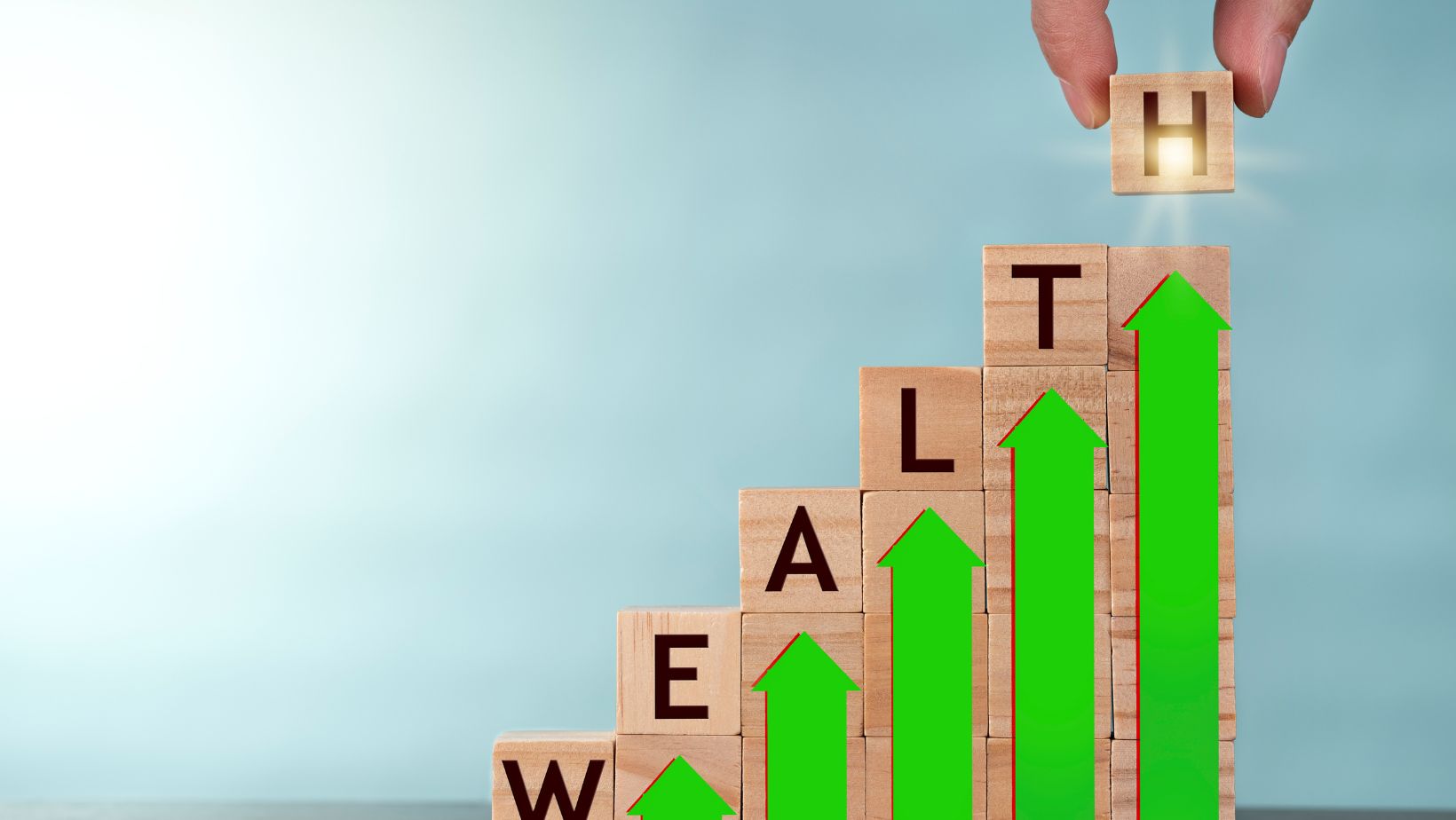
Economic prosperity often correlates directly with GDP growth. Increased production of goods and services typically enhances national wealth. As GDP rises, living standards improve, fostering a positive environment for businesses and households alike. For instance, countries experiencing consistent GDP growth exhibit higher levels of investment in public infrastructure and social services. Wealth generation leads to more resources available for education, healthcare, and technological advancement. This cycle of growth can create a robust economy, encouraging competitiveness on a global scale.
Employment Rates
Employment rates frequently respond to shifts in GDP growth. When the GDP expands, businesses create new jobs to meet rising demand. Higher employment rates usually boost consumer spending, further fueling economic expansion. Conversely, during periods of stagnation or decline, companies often cut back on hiring, impacting job availability. In 2022, data showed that a 1% increase in GDP growth could lead to a 0.5% rise in employment rates within a year. Keeping an eye on GDP growth allows policymakers to anticipate labor market changes and develop strategies to support job creation.
Inflation Considerations
Inflation considerations become critical in the context of GDP growth. Rapid increases in GDP might lead to inflationary pressures, especially if production capacity struggles to keep pace with demand. Central banks monitor these trends closely, adjusting interest rates to manage inflation effectively. For example, in 2021, the US experienced rising inflation rates alongside GDP growth, prompting the Federal Reserve to reassess monetary policy. A balanced approach helps maintain sustainable growth while avoiding excessive inflation that can erode purchasing power and economic stability.
Understanding GDP growth is crucial for navigating today’s economic landscape. It serves as a vital indicator that affects not just policymakers and investors but also everyday individuals. By keeping a close eye on GDP growth rates and the factors that influence them, stakeholders can make informed decisions that impact their financial futures.
As economies evolve, recognizing the intricacies of GDP growth will empower everyone to adapt to changes effectively. Ultimately, a strong grasp of GDP growth can lead to better economic outcomes and improved living standards for all.