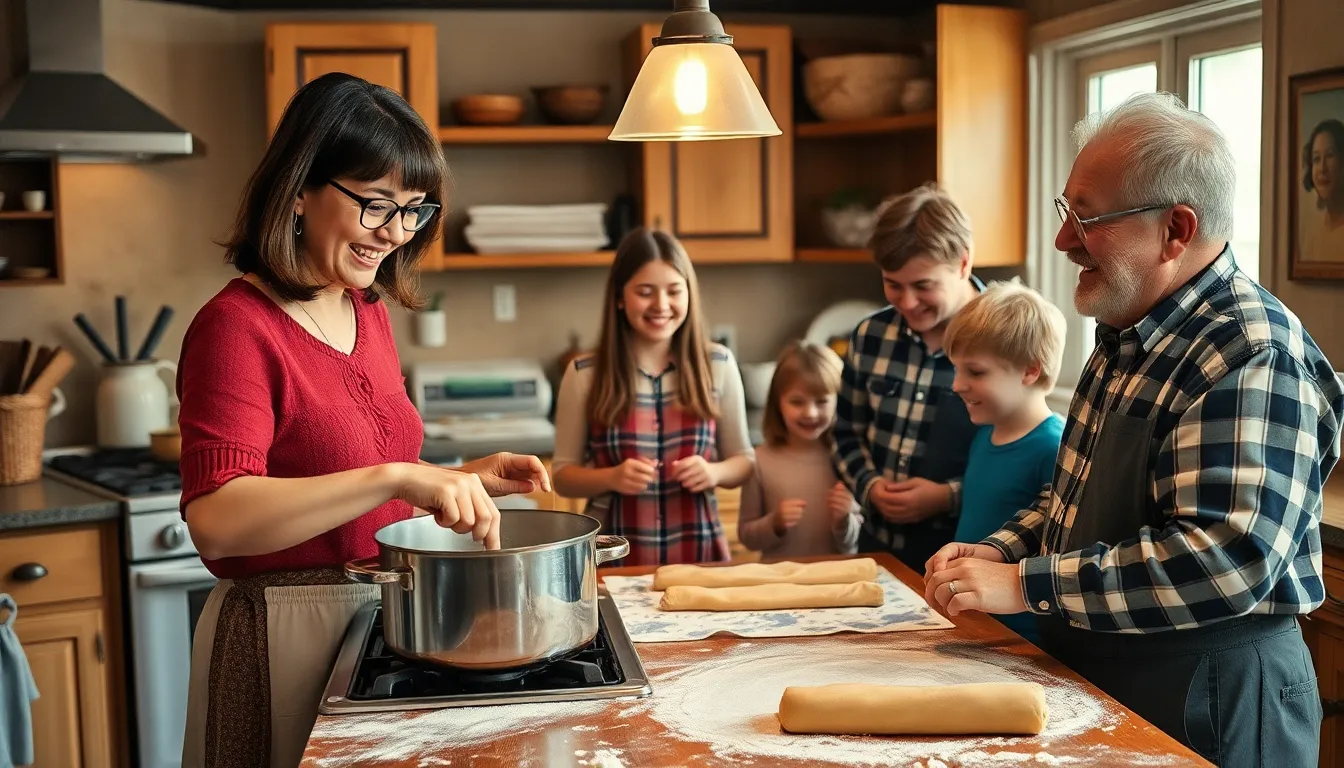
In a world buzzing with trends and fads, roots and rituals remind us of our heritage and the quirky traditions that shape our lives. From the family recipe passed down through generations to the annual holiday gatherings that spark laughter and occasional eye rolls, these practices connect us to our past while adding a dash of flavor to our present.
Imagine a life without grandma’s secret sauce or the awkward dance moves at your cousin’s wedding. These rituals aren’t just nostalgic; they’re the glue that binds families and communities together. So, buckle up as we explore the fascinating tapestry of roots and rituals, where every tradition tells a story and every quirk brings a smile. Get ready to dive into the delightful chaos of cultural heritage, because who knew history could be this much fun?
Understanding Roots and Rituals
Roots and rituals shape identities and create connections to cultural heritage. They play a significant role in individual and communal experiences.
Definition of Roots
Roots refer to the deeper connections individuals have with their ancestry, culture, and community. These ties include family history, traditions, and language, forming a vital part of one’s identity. Roots manifest through various elements, such as stories and lineage, linking generations together. Awareness of these connections offers insights into personal values and beliefs. Understanding roots can foster a sense of belonging, providing a framework for navigating life’s challenges and celebrations. Ultimately, they define who one is and influence how they interact with the world.
Importance of Rituals
Rituals signify meaningful actions that connect individuals to their roots and collective history. These practices occur in various contexts, including festivals, ceremonies, and everyday moments. Engaging in rituals can strengthen relationships within families and communities, offering comfort and continuity. They evoke emotions and strengthen shared memories, reinforcing personal and collective identities. Importance lies in the fact that these traditions can be carried out across generations, ensuring cultural survival. Participation in rituals enables individuals to celebrate milestones and acknowledge transitions, helping to create a sense of stability in a changing world.
Cultural Significance of Roots and Rituals
Roots and rituals are vital in understanding cultural significance. They express values, beliefs, and traditions passed down through generations.
Exploring Different Cultures
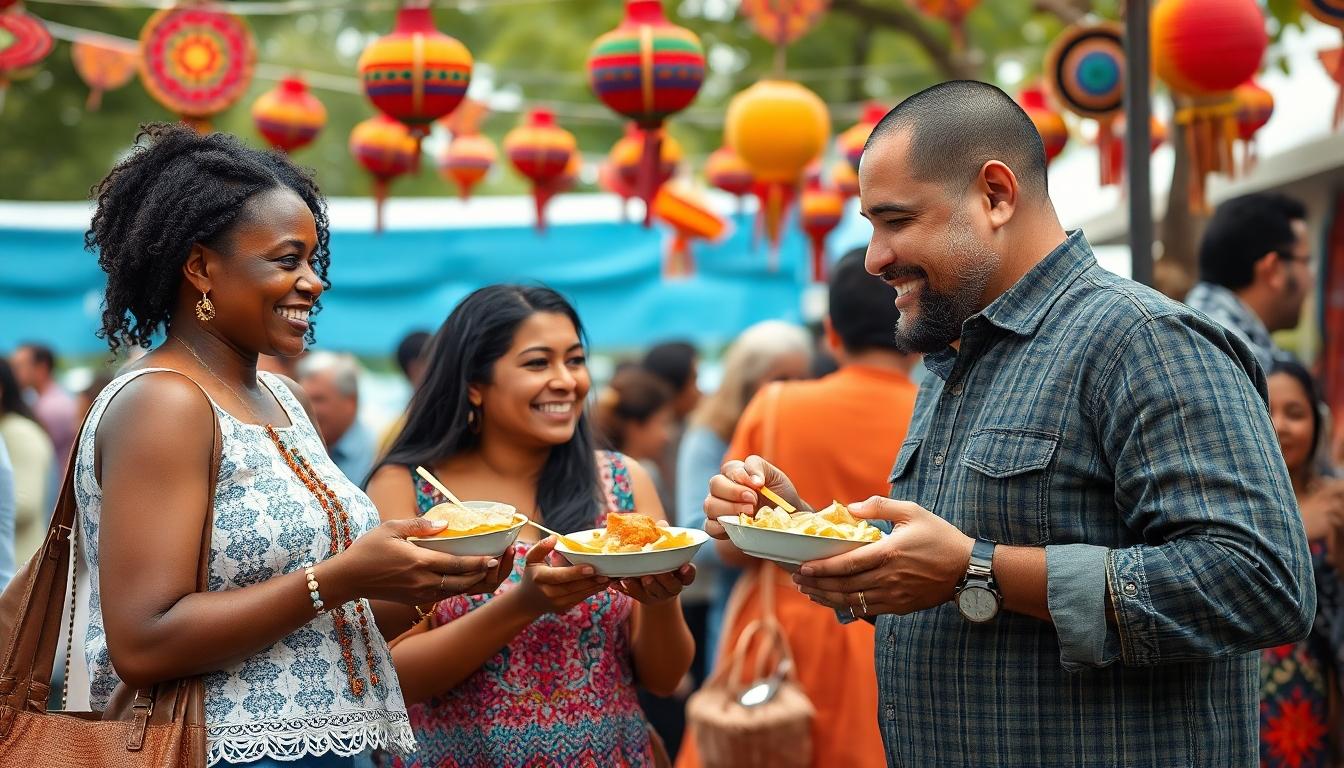
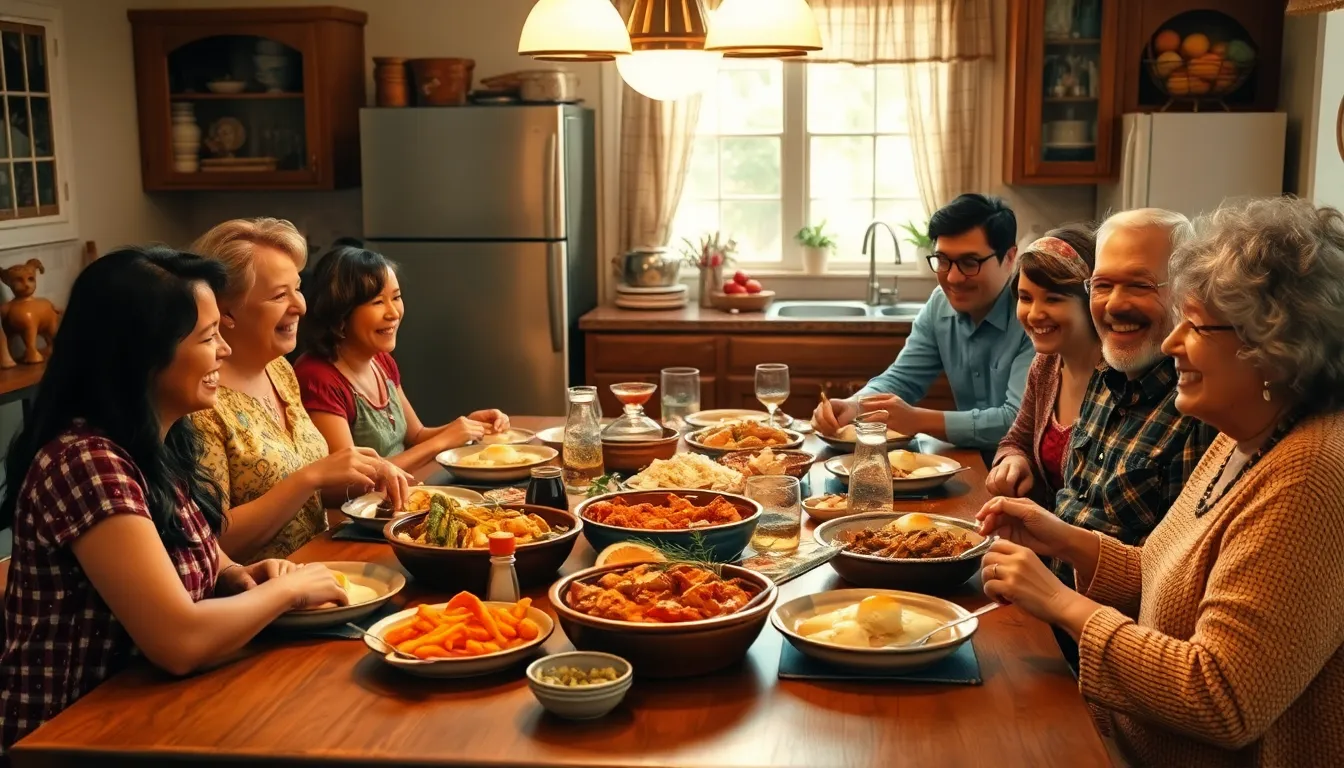
Exploring various cultures reveals unique expressions of roots and rituals. Each culture incorporates specific traditions, from festivals to daily practices, shaping identity and community. For example, Diwali in India signifies the triumph of light over darkness, incorporating rituals like lighting lamps and sharing sweets. African tribal ceremonies often celebrate rites of passage, emphasizing communal participation and storytelling. Many cultures use food as a ritual, such as the Italian tradition of Sunday family dinners, which fosters bonds through shared meals and conversation. Understanding these diverse practices enhances appreciation for cultural richness and the interconnectedness of human experience.
Historical Perspectives
Historical perspectives illuminate how roots and rituals have evolved over time. Ancient civilizations used rituals to connect with deities, often influencing social structures and governance. For instance, the ancient Greeks hosted elaborate festivals in honor of their gods, intertwining religious practices with civic life. Many cultural rituals, such as Indigenous ceremonies, reflect significant historical events that shape national identities. Emphasis on lineage and ancestry continues to influence modern practices, showcasing resilience in maintaining traditions. The impact of colonization often altered rituals, leading to adaptations that preserve cultural heritage. Analyzing these historical contexts provides insights into the dynamic nature of cultural roots and rituals.
Psychological Impact of Roots and Rituals
Roots and rituals profoundly influence mental well-being and self-perception.
Connection to Identity
Roots connect individuals to their cultural and familial backgrounds. These connections shape personal identities, providing a foundation for beliefs and values. Many find that understanding their heritage fosters self-acceptance. Cultural narratives embedded in family traditions help individuals navigate life’s complexities. When people participate in rituals, they often experience a heightened sense of belonging. This deep-rooted connection enhances their self-esteem and reinforces their place within a larger community. Engaging with familial history instills pride, encouraging individuals to celebrate their uniqueness.
Role in Community Bonding
Rituals play a vital role in uniting communities. Shared practices create common ground and develop a collective identity. Many events, such as weddings or festivals, strengthen community ties by fostering social connections. People come together, supporting one another and sharing experiences. These interactions cultivate trust and mutual respect among individuals. When communities engage in rituals, they amplify feelings of solidarity. Cultural celebrations reinforce unity while acknowledging diverse backgrounds. This combination fosters harmony and promotes resilience in the face of challenges.
Modern Adaptations of Roots and Rituals
Modern adaptations of roots and rituals showcase how cultural practices evolve while maintaining their significance. People incorporate contemporary elements to keep traditions relevant and engaging.
Influences of Technology
Technology impacts the way roots and rituals manifest today. Social media platforms enable individuals to connect with their heritage by sharing traditions and stories worldwide. Virtual gatherings, such as online family reunions, maintain connections despite geographic distances. Streaming services make cultural festivals accessible, allowing broader participation. Digital archives preserve historical documents and artifacts, enhancing understanding of ancestry. Through these innovations, people nurture their roots while adapting to modern lifestyles.
Blending Traditions
Blending traditions cultivates a rich fusion of cultural practices. Individuals often integrate elements from various heritages into personal rituals, creating unique celebrations. Interfaith marriages highlight this blending as families combine their customs for weddings and holidays. Community events, like multicultural festivals, celebrate diversity while showcasing shared values. Food plays a vital role, with recipes merging flavors from various backgrounds, enriching culinary experiences. By embracing this fusion, individuals honor their lineage while creating new, meaningful practices.
Roots and rituals are essential elements that shape individual identities and foster community connections. They provide a sense of belonging while celebrating cultural heritage. Engaging in these practices not only preserves traditions but also allows for personal growth and emotional well-being.
As individuals navigate their unique journeys, they can find strength and inspiration in their roots and rituals. The blending of traditions in today’s world highlights the resilience of cultural practices, allowing for new expressions that honor the past while embracing the future. By cherishing these connections, individuals can cultivate a deeper appreciation for their heritage and the rich tapestry of human experiences.